About me...
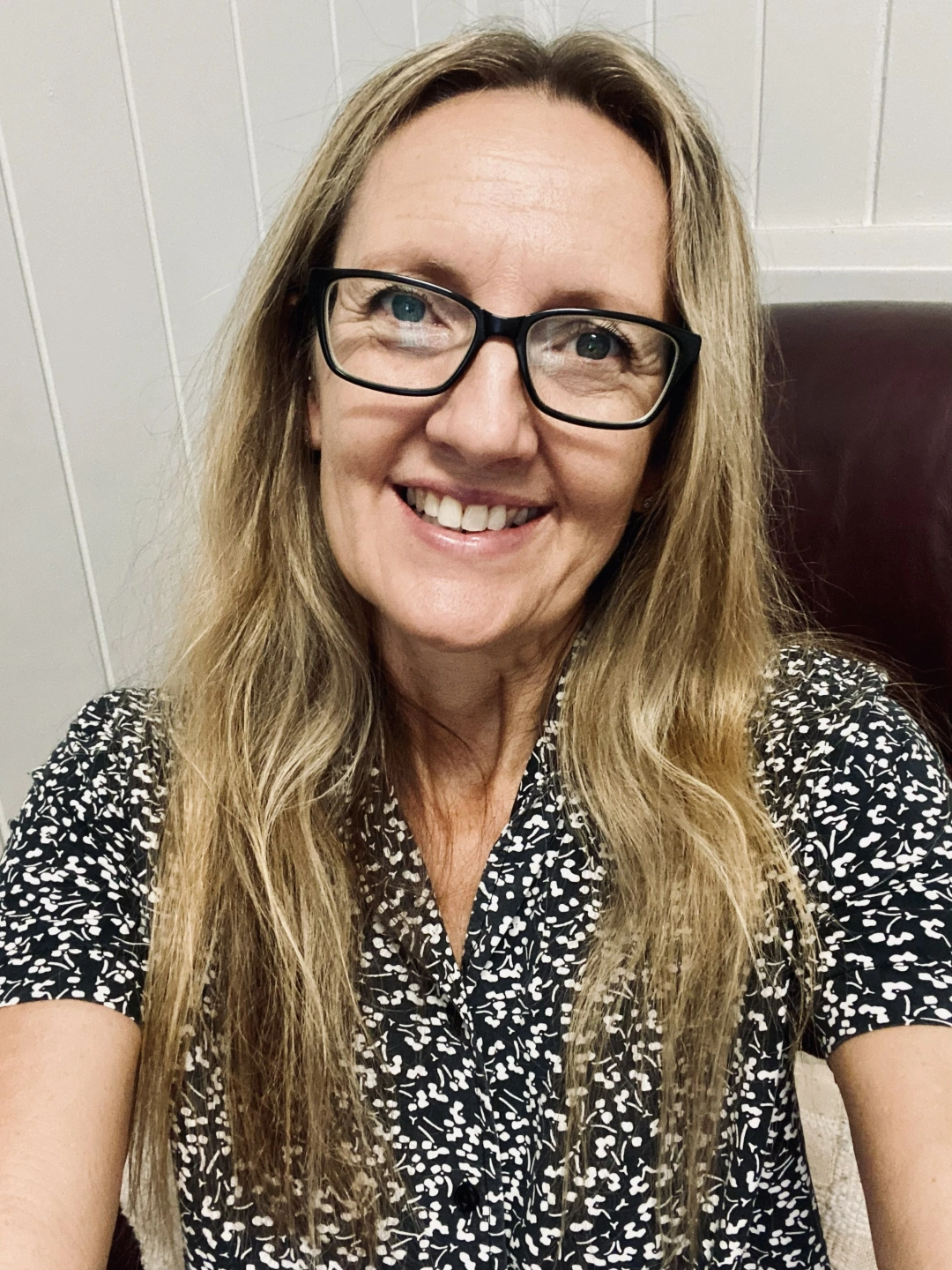
Hello, I’m Stephanie Tarlinton. I have over 25 years’ experience as a psychologist across a range of organizations and populations, and I have been in private practice for over ten years. Twenty years ago, I decided to make Gympie my home, and I’m passionate about supporting people in the local community and surrounds to have the best mental health possible. I understand the importance of a holistic approach to wellbeing, and alongside psychological therapies I also encourage my clients to consider the impact of lifestyle factors in particular on their brain health. I offer sessions face-to-face in my comfortable office in Gympie, and I also offer telehealth and walk-and-talk therapy. I am registered with the Australian Health Practitioner Regulation Agency, and I am a member of the Australian Association of Psychologists Inc and the Australasian Society for Lifestyle Medicine.
Psychological approach and services offered

My therapeutic approach
I take a person-centred, strengths-based approach with all my clients, believing that they are the expert in their own lives. I utilise evidence-based therapies including cognitive-behaviour therapy (CBT) and acceptance-and-commitment therapy (ACT) and I also incorporate techniques and strategies from dialectical-behaviour therapy, motivational interviewing and mindfulness modalities. My approach is practical, grounded in the here-and-now, and my aim is to encourage clients to set and work towards to their individual goals around improved:
· psychological symptoms and functioning
· mental health and general wellbeing
· coping and stress management
· emotional and behavioural regulation
· communication and relationships
· confidence and resilience
· empowerment to live a life in congruence with their own values

Cognitive Behavioural Therapy (CBT)
CBT is a structured, goal-oriented therapy that helps people identify and change the unhelpful thinking patterns and behaviours that are negatively impacting their feelings, therefore enabling them to cope better with life's challenges and improve mental health conditions like depression, anxiety, and PTSD. It focuses on the connection between thoughts, feelings, and actions, teaching practical skills to replace unhelpful and distorted thinking with more realistic perspectives, and problematic behaviours with healthier responses.

Acceptance-and-Commitment Therapy (ACT)
ACT is an action-oriented therapy that teaches individuals to accept uncomfortable thoughts and feelings rather than fighting or controlling them. By practicing mindfulness and aligning behaviours with personal values, it aims to increase psychological flexibility to improve mental health. ACT is designed to help individuals live a more meaningful life by accepting what is out of their personal control and committing to action that improves their lives.

Walk and Talk Therapy
Walk and Talk Therapy combines the benefits of traditional talking therapy with the healing effects of movement and nature. The client and therapist engage in regular therapeutic conversation just as they would in the office but instead are walking side-by-side in an outdoors environment. The walking is not the focus, but it facilitates natural discussions, processing of emotions, problem-solving, creativity, mindfulness, relaxation, stress reduction, and a strengthening of the mind-body connection. The client sets the pace of the walking, and it takes place on flat walkways where there are also opportunities to pause and sit.

Helpful links
Please note, I am not a crisis service. If you require immediate support, the following links may be helpful:


Contact details
Frequently asked questions
It's natural to have questions when considering psychological therapy. Here's few commonly asked questions and my answers:
During your first session we will get to know each other – I will ask questions, and you can ask me questions too – it’s important to find out if we will work well together. As I’m asking questions and hearing your answers I am assessing and formulating so I can put together some ideas of how I can best support you, and I’ll ask you what your goals are for your sessions. There will be some paperwork and a questionnaire to complete, and I’ll check that I have all the correct referral details. At the end of session, if you are happy to return for more sessions, we will set these up.
You can refer yourself, or you can be referred via your GP (for mental health care plans, chronic disease management plans, DVA, Workcover). If you are a NDIS client who is self or plan-managed you can refer yourself or be referred via your support coordinator.
I work with clients aged 12+.
I may bulk bill clients who have a mental health care plan or a chronic condition management plan from their GP PLUS a concession card such as a health care card or pension card. Without a concession card I charge a gap fee - this means you will pay the full amount for the session and then Medicare will reimburse you their rebate (just under $100 currently). If you have private health insurance you may be able to claim a portion of the session fee, and for NDIS clients I charge the rate as recommended by the NDIA. Because fees can change each year, please contact me for my current rates. My aim is to make accessing a psychologist reasonable and possible for everyone, so please contact me to discuss your circumstances.
No, I do not do court reports for Family Court or other matters.